
What is Pool Mastic?
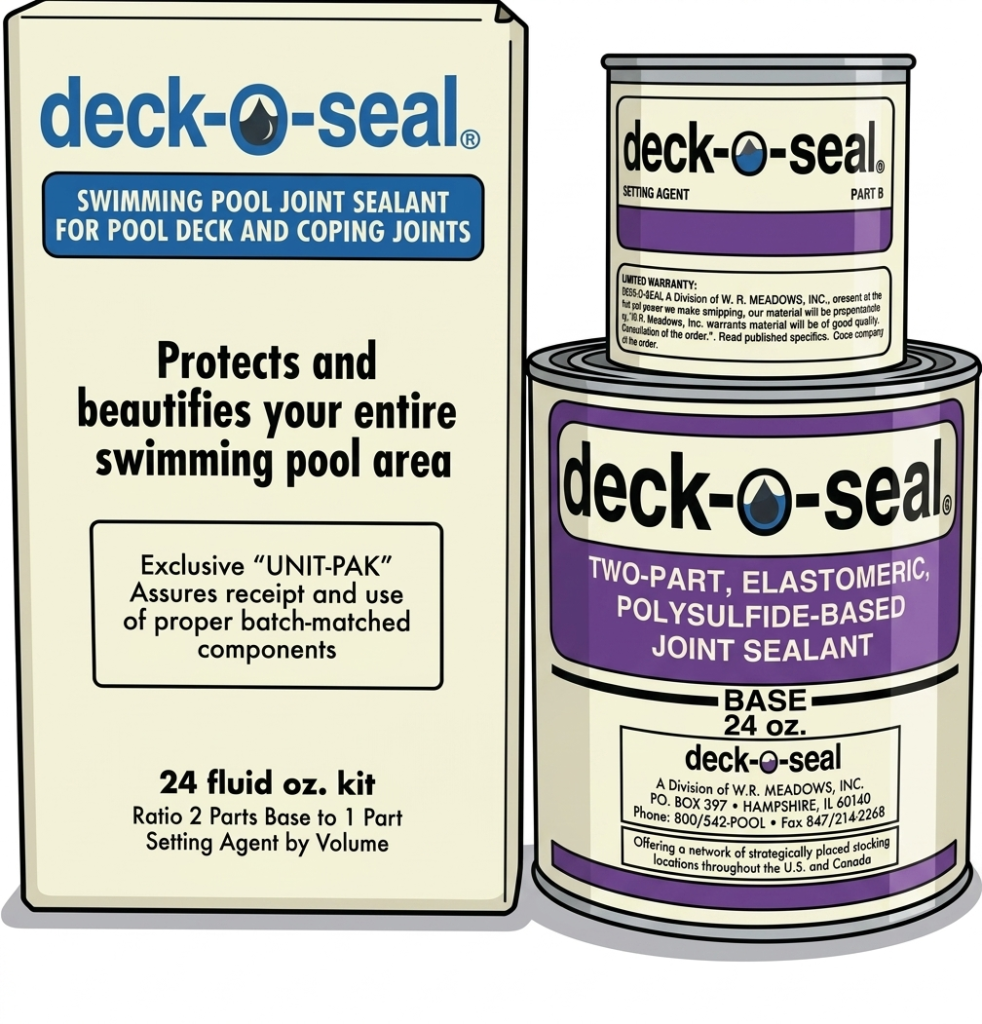
Pool mastic is a specialized type of caulking material designed to fill the expansion joints around swimming pools. Often referred to as pool caulk or pool sealant, it plays a crucial role in maintaining the integrity of the pool structure. When installed properly, pool mastic acts as a barrier against water infiltration, preventing moisture from seeping beneath the concrete or tiles that comprise the pool’s surface.This flexibility allows pool mastic to accommodate the natural expansion and contraction of the pool materials caused by temperature fluctuations. In essence, it provides a vital cushion that absorbs movement, ensuring that the surrounding surfaces remain intact and free from damage. Its ability to create a watertight seal protects the area below the pool’s surface, reducing the risk of underlying erosion and structural failure.importance of pool mastic cannot be overstated, as it helps preserve the overall health of the swimming pool. Without it, water could infiltrate the underlying structures, leading to costly repairs and potential safety hazards. Furthermore, well-maintained mastic contributes to the aesthetic appeal of the pool area, as it provides a neat, finished look to the joints between tiles and deck surfaces.In summary, pool mastic is more than just a sealant; it is an essential component that protects the longevity and structural reliability of swimming pools. By effectively managing expansion and water exposure, it plays a significant role in maintaining both the functionality and appearance of the pool environment.
The Function of Pool Mastic in Pool Coping
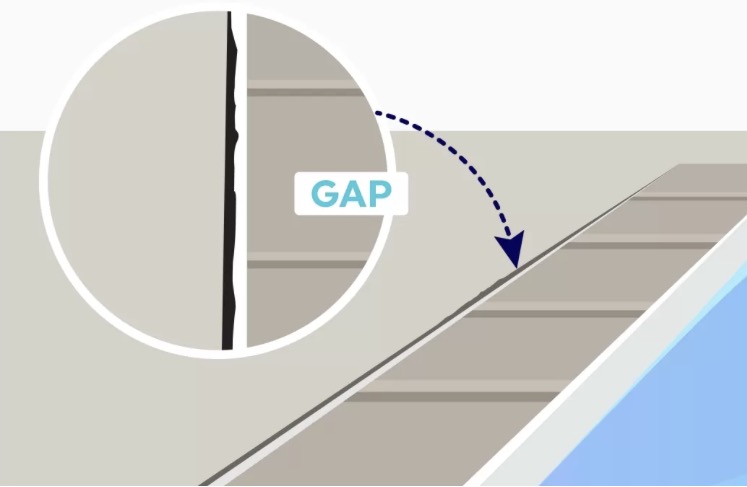
Pool mastic serves a crucial role in the overall functionality and aesthetic appeal of a swimming pool, particularly in its interaction with pool coping. Coping refers to the material that forms a border around the pool’s edge, offering not only a finished look but also integral to the pool’s structural integrity and drainage systems. The coping is designed to protect the pool shell from damage caused by water overflow, splashing, and other environmental factors.One of the essential functions of pool coping is to facilitate effective water drainage away from the pool area. This drainage is vital for maintaining the cleanliness and safety of the pool environment, preventing water accumulation that could lead to erosion, discoloration, or even structural issues. Efficient drainage therefore plays a vital role in the longevity of both the pool and its surrounding areas.In this context, pool mastic functions as a sealant between the coping and the pool deck. This protective layer is fundamental, as it prevents water infiltration, which can otherwise lead to damage beneath the surface. The mastic acts as a flexible barrier, accommodating movement caused by temperature variations and settling. Without this vital function, water could seep into the gaps, compromising the stability of the coping and potentially leading to larger maintenance issuesAdditionally, pool mastic helps to prevent debris and contaminants from entering the space between the coping and deck, promoting better hygiene and overall upkeep of the pool. By correctly maintaining and replacing the mastic as needed, pool owners can ensure the longevity of both their coping and the surrounding deck area, ultimately enhancing the safety and enjoyment of their swimming environment.
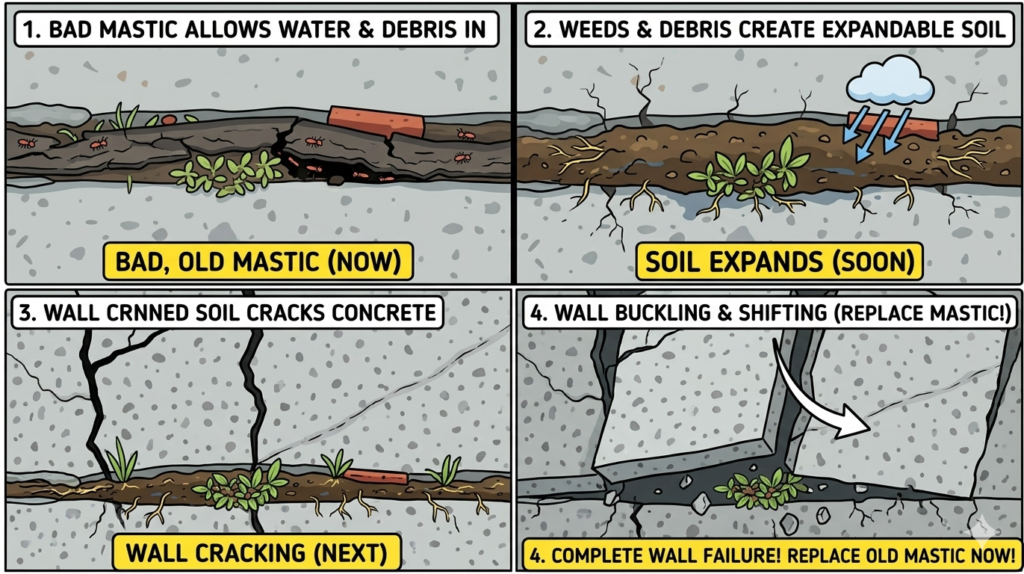
Pool mastic plays an essential role in maintaining the integrity and safety of a swimming pool environment. When the mastic, or pool caulking, begins to wear down or degrade, several significant consequences may arise. One of the primary risks of neglecting pool mastic maintenance is water damage. As the caulking deteriorates, it may no longer provide an effective barrier between the pool structure and surrounding surfaces. This could permit water to seep into areas where it should not, potentially leading to extensive and costly water damage., worn pool mastic can result in cracks forming in the concrete around the pool area. These cracks may not only detract from the aesthetic appeal of the pool but can also pose safety risks. Unattended cracks can expand over time, worsening structural damage and increasing the complexity of future repairs. The costs associated with repairing cracked concrete can escalate if these issues go unaddressed, leading to a financial burden for pool owners.If the pool is surrounded by wooden decking, the implications of neglected mastic maintenance are equally concerning. Water infiltration due to ineffective caulking can lead to wood rot and deterioration of the decking. This not only undermines the stability of the deck but also creates hazardous conditions for individuals using the pool area. The replacement of damaged wooden structures can be significantly more expensive and complicated than routine mastic maintenance.In summary, the consequences of worn pool mastic are far-reaching. Neglecting this vital aspect of pool maintenance can lead to water damage, concrete cracking, and decking deterioration, ultimately resulting in increased repair costs and potential safety concerns for pool users. It is of utmost importance for pool owners to regularly inspect and maintain their pool mastic to avert these serious issues.

Replacing and Maintaining Pool Mastic
Maintaining pool mastic is crucial for the longevity and functionality of your swimming pool. Over time, mastic can experience wear and tear, resulting in cracks, gaps, or signs of deterioration. Recognizing these signs early is key to ensuring the integrity of your pool’s structure. Common indicators that your pool mastic needs replacing include visible cracks, water leaks, or the development of mold and mildew. Regular inspection, especially after significant weather changes or heavy use, can help identify these issues before they worsen.When it comes to replacement, the process is relatively straightforward yet requires careful attention to detail. First, it is essential to remove the existing mastic entirely. This can be accomplished using a chisel and hammer or a specialized mastic removal tool. Once removed, ensure the joint surfaces are clean and dry to allow for optimal adhesion of the new mastic. When selecting the right type of mastic, consider factors such as the material used for the pool’s construction and the specific location of the application. There are various formulations, including silicone and polyurethane, each offering different benefits and durability levels.After applying new mastic, it is advisable to allow adequate curing time as specified by the manufacturer. Proper maintenance following replacement is also critical. Regular cleaning with a gentle brush and appropriate cleaners can prevent debris build-up, which contributes to degradation. Additionally, controlling water chemistry and ensuring proper water levels can also prolong mastic life. By following these tips and remaining vigilant, pool owners can effectively maintain the mastic seal around their pool, ensuring a safe and aesthetically pleasing swimming environment.
